Raise your hand if you’ve ever walked out to the garden, coffee in hand, only to find your broccoli looking like Swiss cheese.
Been there. And if you’re like me, reaching for a bottle of pesticide isn’t an option—not when the whole point of growing our own food is knowing exactly what’s in it.
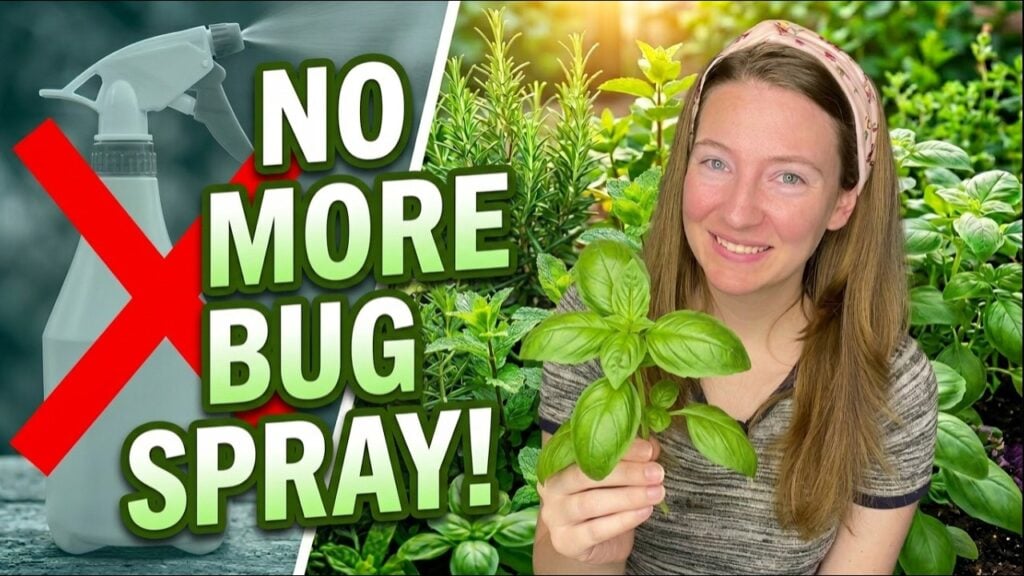
Here’s the good news: your garden already has a built-in pest control system. You just have to activate it.
The strategy is called companion planting, and it’s as old as gardening itself. Certain herbs pack their leaves with potent essential oils—the same oils that make your kitchen smell amazing. To us, it’s the scent of summer. To a cabbage moth? It’s confusing, overwhelming, or just plain gross.
These fragrant herbs work in two ways:
1. Natural camouflage. Pests hunt your vegetables by smell. Tuck a strongly-scented herb next to your broccoli, and it’s like trying to find your favorite restaurant in the middle of a perfume convention. Most pests give up and move on to an easier meal.
2. Recruiting the good guys. When these herbs flower, they become five-star hotels for ladybugs, lacewings, and parasitic wasps—predators that actively hunt down aphids, whiteflies, and caterpillars for you.
Let’s walk through the seven herbs that earn their keep in our garden every single year.
1. Basil: Your Tomato’s Best Friend
If you grow tomatoes, someone has probably already told you to plant basil alongside them—and for good reason.
Basil is loaded with aromatic compounds that pests like aphids and whiteflies find disorienting. There’s also long-standing gardener wisdom that basil’s strong fragrance makes it harder for the tomato hornworm moth to find her egg-laying spot.
Now, just being honest: I still get a few hornworms every year that go to town on my tomato plants. So I plant extra. It is what it is.
Placement tip: Tuck basil in between your tomato and pepper plants—not off on the end of the row. Weaving it through the bed creates a much more confusing scent landscape for pests.
Bonus: Let at least one basil plant bolt (flower). Bees love it, and you’ll enjoy higher pollination rates. Plus, you get the freshest basil possible right when your tomatoes are ripening. That’s what I call efficient.
2. Chives: The Underrated Protector
Chives are the hardworking, often-overlooked member of the onion family. They release a mild oniony scent thanks to their sulfur compounds, and generations of gardeners have planted them near roses to help reduce aphid problems. They also work well near carrots.
Is the science fully settled? Not yet. But this trick has stood the test of time, and it costs you almost nothing to try.
The best part for us Type A gardeners: chives grow in neat little clumps and don’t take over. They make a fantastic edible border around your entire veggie patch.
And let some of them flower—those puffy purple blossoms are a magnet for honeybees.
3. Mint: The Potted Bodyguard (Read This Warning First!)
Mint is a fragrance powerhouse. Its high menthol content is fantastic at scrambling a pest’s senses, and it’s often planted to discourage ants.
But here is the most important advice in this whole post: plant mint in a container. Always.
Mint sends out aggressive underground runners, and it will take over your garden. Ask me how I know.
The container is actually a feature, not a limitation. Grab a big pot, and now you have a portable bodyguard—set it near your cabbage in the fall, next to your patio chairs in summer, or beside your eggplants whenever the flea beetles show up.
REMOVE THE GUESSWORK FROM GARDENING!
These garden plans include 10 themed garden blueprints—complete with beneficial pairings, proper spacing & more!
4. Rosemary: The Brassica Defender
This Mediterranean native loves full sun and well-drained soil, and its pine-like scent is powerful enough to help mask the smell of your brassicas—broccoli, cauliflower, cabbage, and kale—making it harder for the cabbage moth to find a place to lay her eggs.
It’s also traditionally planted near carrots to confuse the carrot rust fly.
Placement tip: In warmer climates, rosemary grows into a big, beautiful shrub that looks great year-round, so give it room. In colder zones, grow it in a pot so you can bring it inside for the winter and set it back out next season.
5. Sage: Rosemary’s Partner in Crime
With its soft, fuzzy, gray-green leaves and earthy aroma, sage is a staple for both cooking and garden defense. Like rosemary, it loves sun and hates wet feet—so plant these two together and let them create a multi-layered wall of confusing scents around your cabbage family crops and carrots.
When sage flowers, it sends up gorgeous spikes of purplish-blue blooms that are a feast for bees and other pollinators. Beautiful and useful—my favorite combination.
6. Thyme: The Living Mulch
Thyme is tough, drought-tolerant, and forms a dense fragrant mat that doubles as weed suppression. Its tiny leaves are packed with thymol, a powerful oil with a warm, familiar scent.
Because it grows low, thyme makes a great living mulch. Plant it around the base of bigger plants like tomatoes and cabbage. Every time you brush past, it releases its scent and helps confuse pests foraging near the ground—gardeners often use it against cabbage worms and whiteflies.
Let it flower, and those clusters of tiny pink and purple blooms will feed your pollinators, too. Creeping thyme especially is a low-maintenance workhorse that does a ton of jobs in the garden.
7. Dill: The Recruiter
Dill plays a different role than the others. Don’t think of it as a repeller—think of it as a recruiter.
When dill bolts and produces those big, umbrella-shaped yellow flowers, it becomes one of the best plants in existence for attracting beneficial insects:
- Ladybugs and their larvae devour aphids
- Lacewing larvae are voracious hunters of aphids and mites
- Parasitic wasps lay their eggs inside caterpillars, destroying them from the inside out (kind of gross, but also kind of cool)
By planting dill and letting it flower, you’re setting up a buffet for your garden’s good guys.
One word of caution: Dill is in the carrot family—surprising, I know—so keep it away from your carrots.
Putting It All Together
Here’s your quick recap:
- Basil protects tomatoes and peppers
- Chives are everyone’s subtle protector and edible border
- Mint is the potted bodyguard you can tote wherever it’s needed
- Rosemary, sage, and thyme team up to build a wall of confusing scents around brassicas and carrots
- Dill recruits the predators that do your pest control for you
Will these herbs make bad bugs disappear completely? No. But they’ll help you build a balanced ecosystem that keeps pests in check—no chemicals necessary. That’s working with the garden God gave us instead of against it.
Want the guesswork done for you? We put together a set of done-for-you Companion Planting Garden Plans—10 themed blueprints like a Sauce Maker Garden and a Salsa Garden, each laid out with the right plant pairings, proper spacing, and compatible companions already figured out. It takes the entire planning stage off your plate.
Which of these herbs are you adding to your garden this season? Drop a comment below—I’d love to hear!
Free Companion Planting Chart
Learn how to pair plants for optimal soil health & pest control with this printable Companion Planting Chart!