

You know that feeling when you’re halfway through a recipe and realize you’re out of buttermilk? Or when you open the fridge and find a fuzzy can of tomato paste you forgot about?
What if your pantry could cover you without a grocery run and without sacrificing flavor?
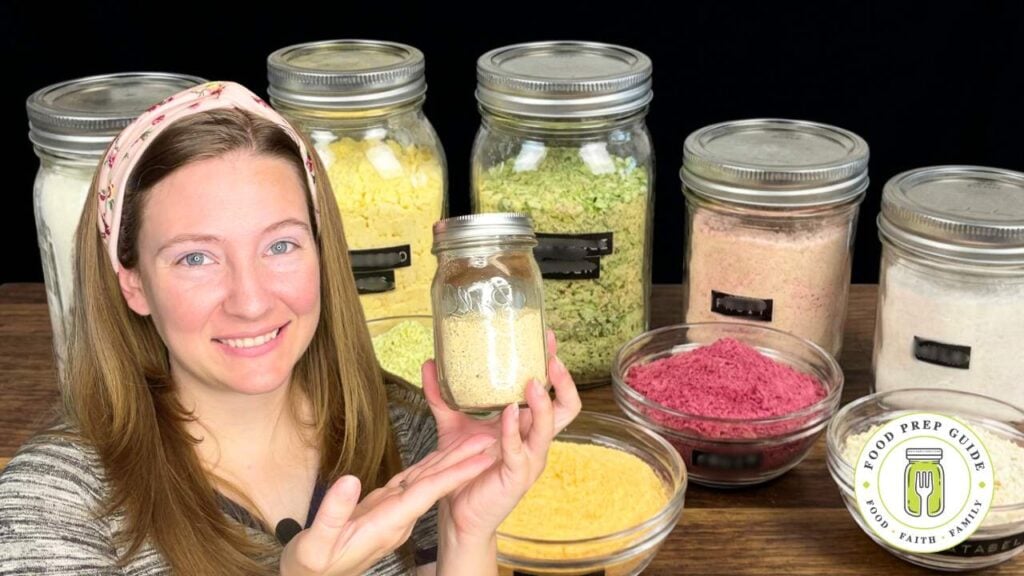
I’ve been building a resilient pantry for nearly a decade, and these seven powders are my absolute workhorses. They’ve saved me countless trips to the store, hundreds of dollars, and some of them last for decades.
Fresh is always best when it’s available. But when it’s not? These powders have you covered.
Here are the seven pantry powders that deserve a permanent spot in your kitchen.
1. Buttermilk Powder
If you’ve ever wanted to whip up tender, flaky biscuits or fluffy pancakes only to find your buttermilk carton expired last Tuesday, this powder is about to become your best friend.
Buttermilk powder is simply fresh buttermilk with the water removed. What’s left is a fine, creamy powder with that classic tangy flavor—and more importantly, the acid that reacts with baking soda to create that incredible lift and tender crumb that plain milk just cannot match.
How to use it: For every cup of liquid buttermilk a recipe calls for, use 4 tablespoons of powder mixed with 1 cup of water. And here’s the thing—you don’t even have to reconstitute it first.
Toss the powder in with your dry ingredients and add the water with your wet ones. That means you can prepare jar mixes ahead of time without sacrificing quality.
We use it in several of our pantry mixes featured in our Mix in Jars Cookbook.
Get the Mix in Jars Cookbook!
Want to save money and eat clean—but still enjoy convenience? Cook from scratch in half the time with homemade pantry mixes that are cleaner, cheaper, and just as convenient as store-bought.
2. Tomato Powder
Imagine the rich, concentrated, umami-packed flavor of sun-dried tomatoes—but in a powder that lasts well over a decade.
No more half-used cans of tomato paste growing fuzzy in the back of your fridge. No more buying a whole can when your recipe only needs one tablespoon.
How to use it:
- Tomato paste: Mix equal parts tomato powder and warm water until thick
- Quick spaghetti sauce: Slowly add water to a cup of powder until you reach your desired thickness, then add your favorite spices
- Flavor booster: Mix into dry rubs, homemade seasonings, or toss onto popcorn, eggs, or roasted veggies for a concentrated punch of flavor without extra liquid
We love mixing it with paprika and salt for an incredible crust on grilled meats. It is so versatile.
3. Powdered Eggs
I know what you’re thinking. Powdered eggs have a terrible reputation thanks to decades of rubbery, tasteless cafeteria scrambles. But modern powdered eggs are a completely different story.
These are real eggs that have been freeze-dried with the water removed. With a couple of simple tricks, they can be just as good as what comes out of the shell—with a shelf life of 10 to 25 years when stored properly.
How to use them: Mix 2 tablespoons of egg powder with 2 tablespoons of water to make one egg. But here is what you really need to know: let that reconstituted mixture sit for 5 minutes before you do anything with it. This gives it time to fully rehydrate, and that step makes all the difference in texture.
The scrambled egg hack: For every three eggs, whisk in half a teaspoon of white vinegar and a pinch of salt. The vinegar neutralizes any subtle storage flavors and makes them taste shockingly fresh. You won’t believe they came from a powder.
Beyond breakfast, powdered eggs work great as a binder in baking—cookies, meatloaf, you name it. Just add the powder directly to your dry ingredients.
4. Whole Milk Powder
This is the quiet workhorse of the long-term pantry, and most people are stocking the wrong kind.
Many of us grew up with non-fat milk powder, but whole milk powder is the one worth keeping on hand. The fat content is crucial for flavor and creaminess in your end result. I rotate through whole milk powder every two years, and it has never once gone bad on me. Vacuum sealed in mason jars and stored away from light and heat, it is incredibly stable.
How to reconstitute it: Whisk about 1/3 cup of powder into a cup of warm water and let it dissolve completely. If you are drinking it straight or using it in cereal, chill it for a couple of hours first—it really does improve the flavor.
But drinking it straight is honestly the least exciting thing you can do with it. Whole milk powder is the base for:
- Sweetened condensed milk
- Evaporated milk
- Hot cocoa mixes
- Creamy sauces and gravies
- Cream-of-anything soup entirely from your pantry
It is a building block ingredient that makes your whole pantry more functional.
5. Supergreens Powder
This one is your nutritional insurance policy.
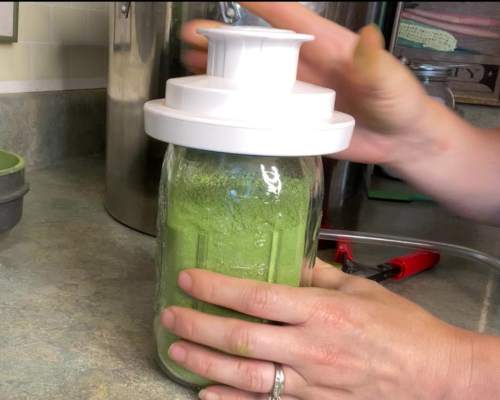
During a busy week—let alone a real emergency—getting enough fresh vegetables is tough. A high-quality supergreens powder is a concentrated blend of dehydrated or freeze-dried nutrient-dense foods like spinach, broccoli sprouts, beet greens, and kale. It should not replace whole vegetables in your everyday diet, but it is an amazing tool for getting vitamins and minerals when fresh options are scarce.
For the best nutritional value, look for freeze-dried varieties and use them within the first two to three years.
How to use it:
- Blend a scoop into a smoothie with fruit and a splash of reconstituted milk powder
- Stir into soups and stews
- Toss into scrambled eggs
You can sneak a lot of extra vitamins into meals this way without anyone really noticing. It fills one of the biggest nutritional gaps in a pantry-only diet.
6. Fruit Powders
Here is the cure for flavor fatigue.
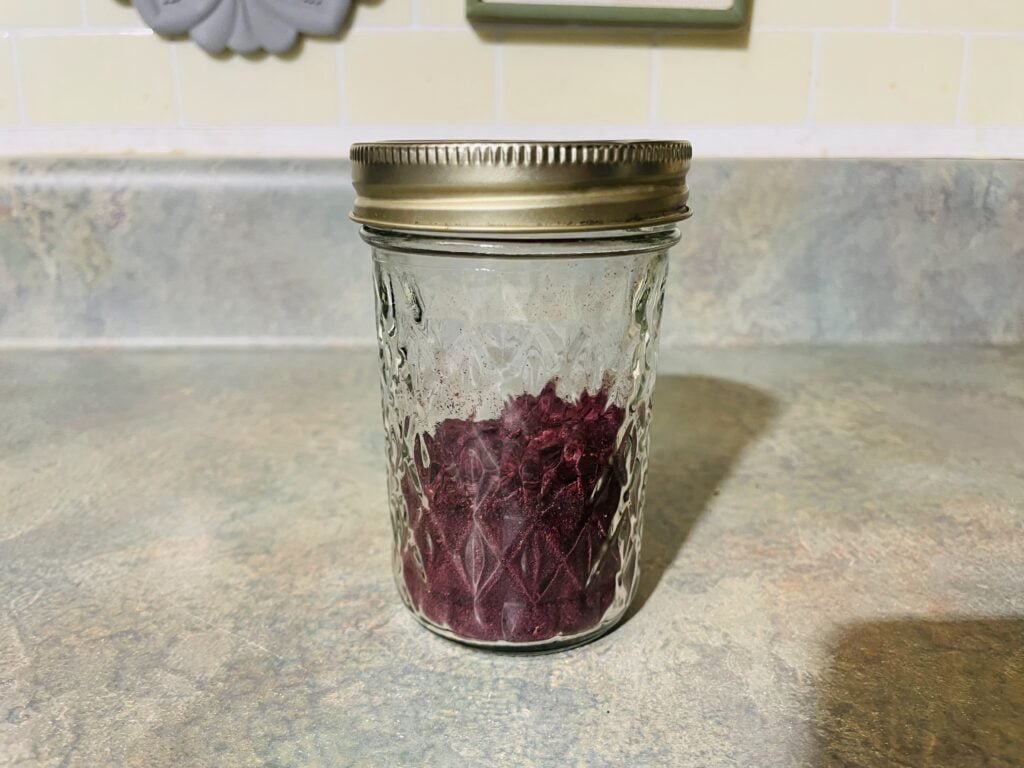
Imagine the intense, sweet-tart burst of strawberries, lemons, or blueberries—concentrated into a powder that lasts for years. Freeze-dried varieties retain a shocking amount of the original fruit’s flavor, color, and aroma.
In a world of shelf-stable grains and basics, fruit powders add a splash of brightness and variety that is genuinely welcome.
How to use them:
- Lemon powder makes tangy lemonade or a zesty salad dressing
- Strawberry or blueberry powder instantly flavors oatmeal, yogurt, or smoothies
- In baking, they add intense fruit flavor to frosting, buttercream, and meringues without making them runny—because they contain almost no moisture
And the best part? You can make them at home. Dehydrate fruit when it is cheap and in season, then grind it in a blender or food processor. A small jar of fruit powder packs the flavor of pounds of fresh fruit. It is one of the most efficient ways to store both flavor and vitamins.
7. Chicken and Beef Broth Powders
The cornerstone of savory cooking, and wildly underrated as a pantry staple.
Dissolve a teaspoon or two in a cup of hot water and you have instant broth for soups, or for cooking rice and grains instead of plain water—that alone is a game changer. But broth powders also shine in homemade gravies and sauces. A simple mix of fat and flour becomes a rich brown gravy with beef powder, or a creamy chicken gravy with the chicken version.
Combine broth powder with your milk powder and water, and you have the base for cream of chicken or cream of beef soup—perfect for casseroles and slow cooker meals.
Your Pantry, Your Peace of Mind
Here is a quick recap of what these seven powders bring to your kitchen:
- Buttermilk — for baking
- Tomato — for richness and flavor
- Egg — for protein and baking
- Milk — for creaminess and versatility
- Supergreens — for nutrition
- Fruit — for flavor and variety
- Broth — for deep, savory meals
Powders tend to get a reputation as something you only pull out when preparing for the worst. But honestly? They are incredibly practical for the everyday pantry. They save money, reduce waste, and give you real flexibility in the kitchen.
If you want to start building your own pantry powders from scratch, check out our step-by-step tutorial on making tomato powder at home.






I’m confused… Are you buying these powders or making them?
Now that we have a freeze drier, we make all of them except the buttermilk powder, which we buy.
All the fruit and vegetable powders can be made in a regular dehydrator. The dairy-based ones require a freeze dryer or to order online.