I’ve been gardening just long enough to know that it’s not as straightforward as plopping plants in the ground and walking away.
Late cold snaps, scorching heat waves, pests, and bolting greens … there’s always something.
So when I started building out my setup with Vego Garden, I wasn’t just looking for pretty beds. I needed gear that could handle real garden problems.
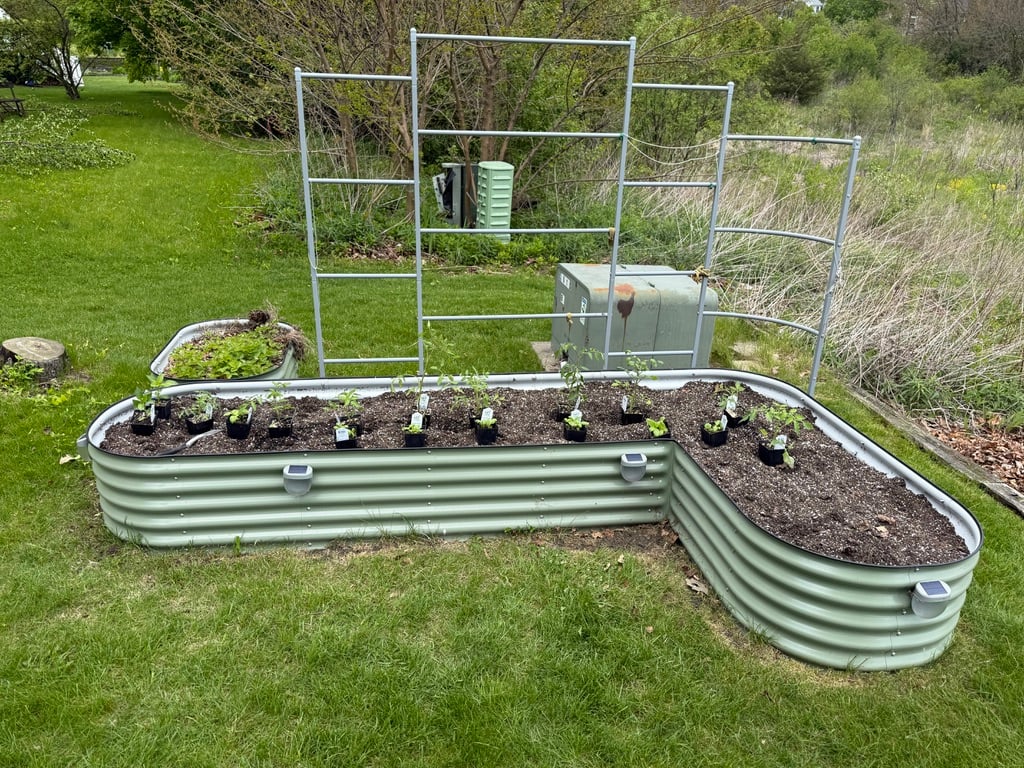
Here’s an honest look at how their frost cloth, raised beds, elevated bed, and solar lights are working together in my garden right now—plus some hard-won lessons from last year that changed how I approach the whole thing.
What Last Year Taught Me
Before I get into the products, it’s worth talking about what I do differently now versus last year’s first real season with these beds.
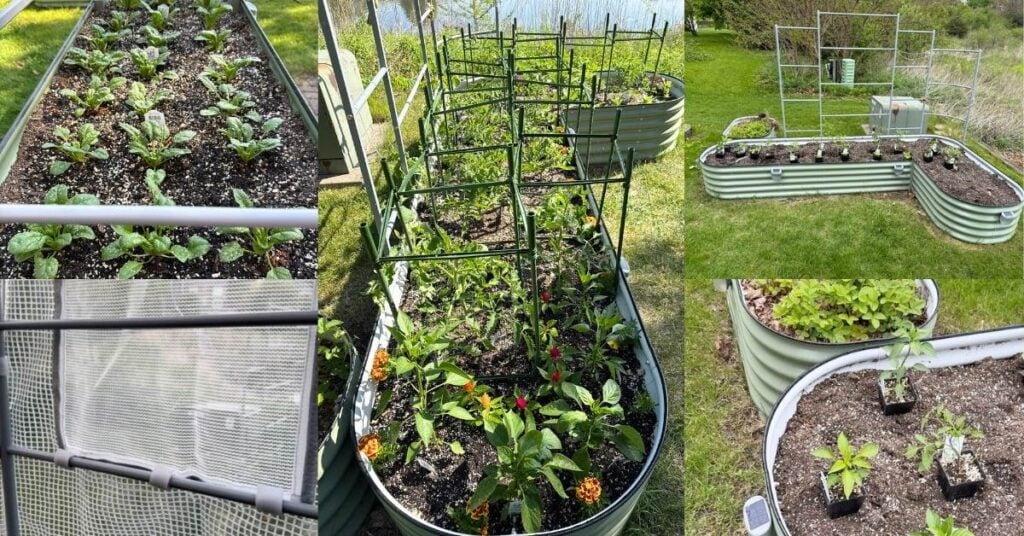
Flowers from the start. Last year I focused almost entirely on vegetables and didn’t think much about pollinators. This year I made a point of planting flowers alongside my tomatoes specifically to draw in bees.
The flowers haven’t all bloomed yet, but something is flowering, and the bees are already showing up.
Tomato cages go in early. I waited too long last year and ended up wrestling cages onto plants that had already sprawled. This year I set them up at planting time, before I needed them. So much easier.
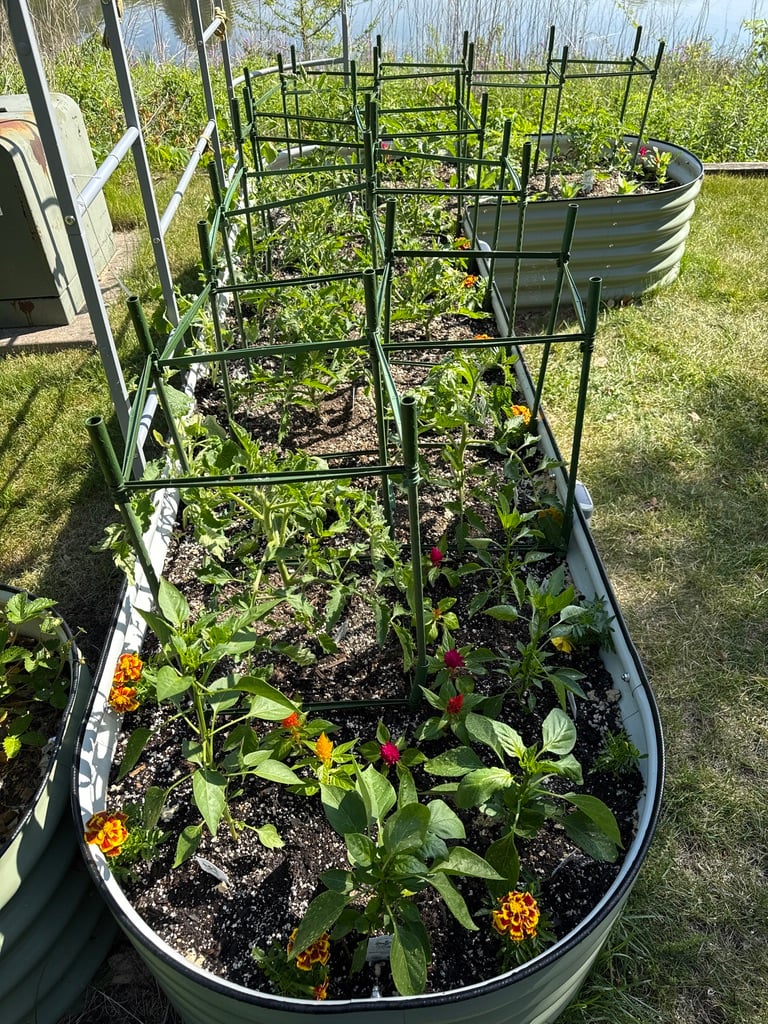
Stagger your tomato plants. In a small bed, planting tomatoes in a straight line wastes space. Staggering them—offset rows rather than a grid—lets each plant get more light and air, and you fit more plants without crowding.
Let peppers hold hands. Peppers actually do better when planted close together. It helps with pollination, and the plants shade each other just enough to avoid sunscald, so I spaced them about one foot apart.
Most of my plants this year came from Azure Standard, which has been a great source for quality starts and some harder-to-find varieties. It’s also where we get our bulk pantry staples at great prices!
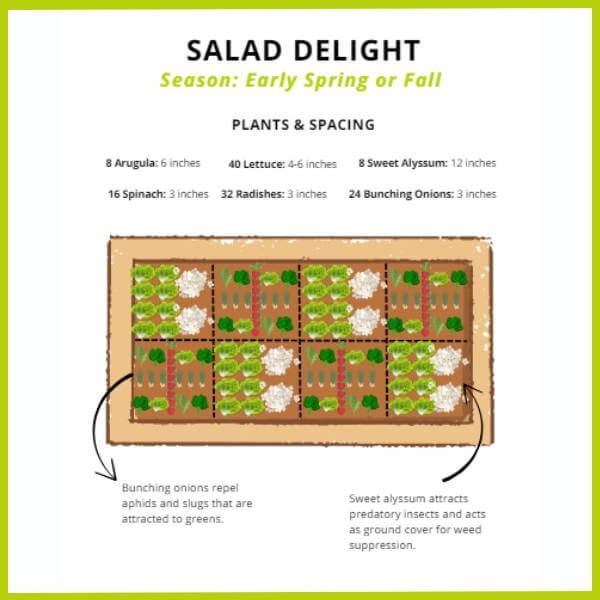
GET DONE-FOR-YOU GARDEN PLANS!
Does garden planning feel confusing? Remove the guesswork!
Includes 10 themed garden blueprints—complete with beneficial pairings, proper spacing & more!
The Pest Problem Nobody Warned Me About: Roly Pollies
Here’s something I didn’t see coming: pillbugs—aka roly pollies—wiped out my first set of cucumber plants and came close to taking out my basil and flowers too.
The frustrating part is that I inadvertently set the conditions for it. I mulched my beds with leaves over the winter, which is generally fine, but leaves create exactly the damp, decaying environment that pillbugs love.
On top of that, I filled the beds using hugelkultur, burying wood and organic matter underneath the soil to build long-term fertility. It’s a fantastic method and I’d do it again, but decaying wood is basically a buffet for pillbugs.
The fix was diatomaceous earth (DE), applied around the base of the affected plants and along the soil surface.
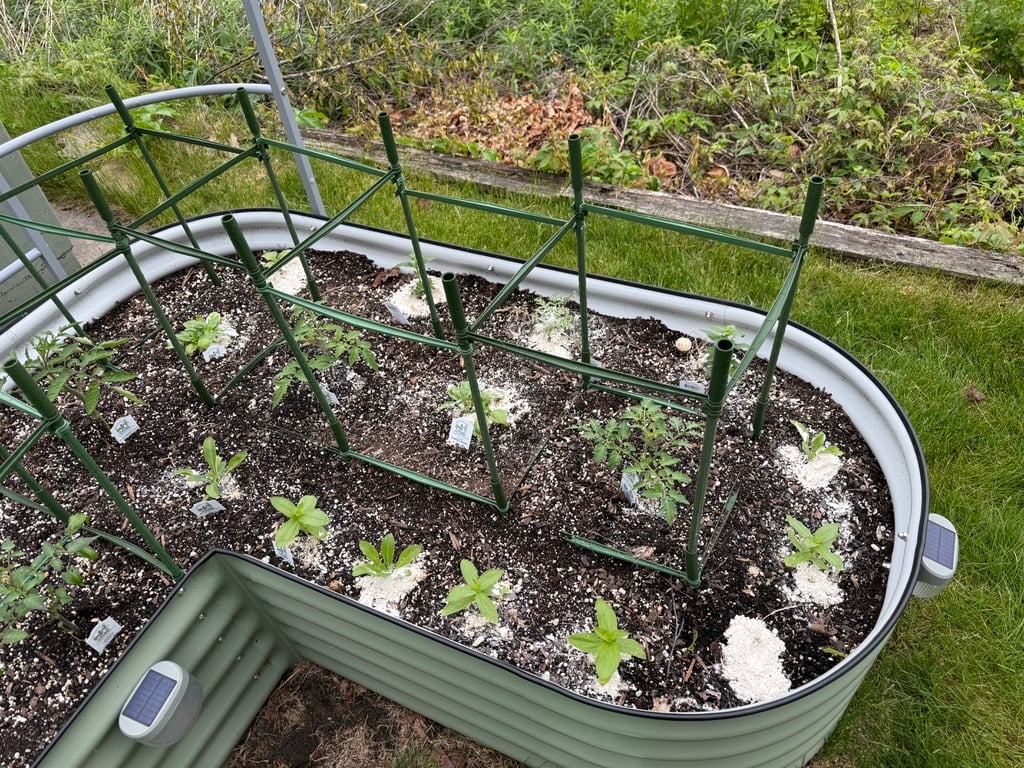
If you’re using hugelkultur or heavy mulch and you’re seeing plants mysteriously disappearing at the soil line, check for pillbugs, especially at night or after rain when they’re most active.
It’s the kind of thing experienced gardeners probably know and beginners find out the hard way. Now you know. 🙂
No products found.
The Frost Cloth: Season Extender
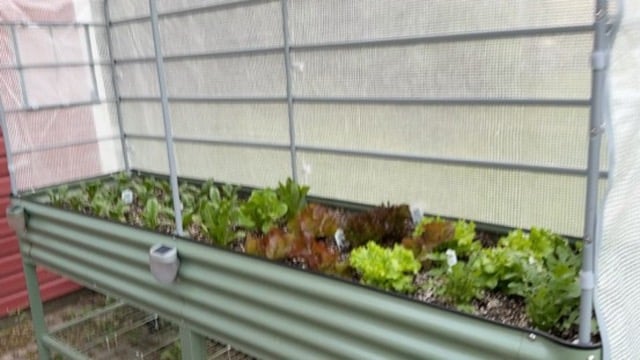
I got the Vego Garden Frost Cover System because one late frost can wipe out weeks of work and money. This cover is the fix for that. I also used it to protect the Azure seedlings before they were ready to go in the ground.
It’s sized to Vego’s specific bed dimensions, so there’s no awkward bunching or gaps where cold air sneaks in.
The zipper door is a practical detail I didn’t think much about until I was using it. Being able to open the cover to water, check on plants, or harvest without pulling the whole thing off makes a real difference day to day.
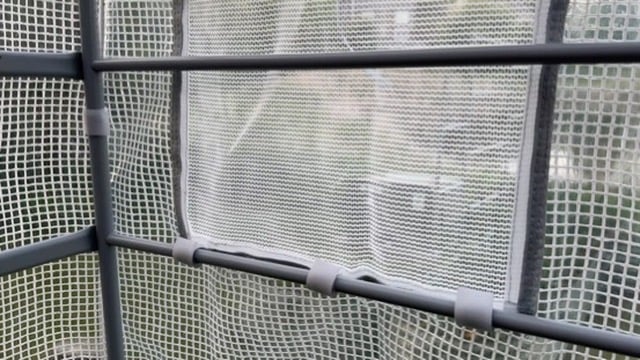
The fabric is heavy-duty HDPE with reinforced mesh—100% waterproof, frost-resistant, and UV-protected so it won’t yellow and degrade after a season in the sun. It’s also rated for wind and hail.
In mild climates, this system can extend your growing season by one to two months on either end of the year. For cool-season crops like lettuce, spinach, and kale, that’s a meaningful window!
The Raised Beds: Where Most of the Action Happens
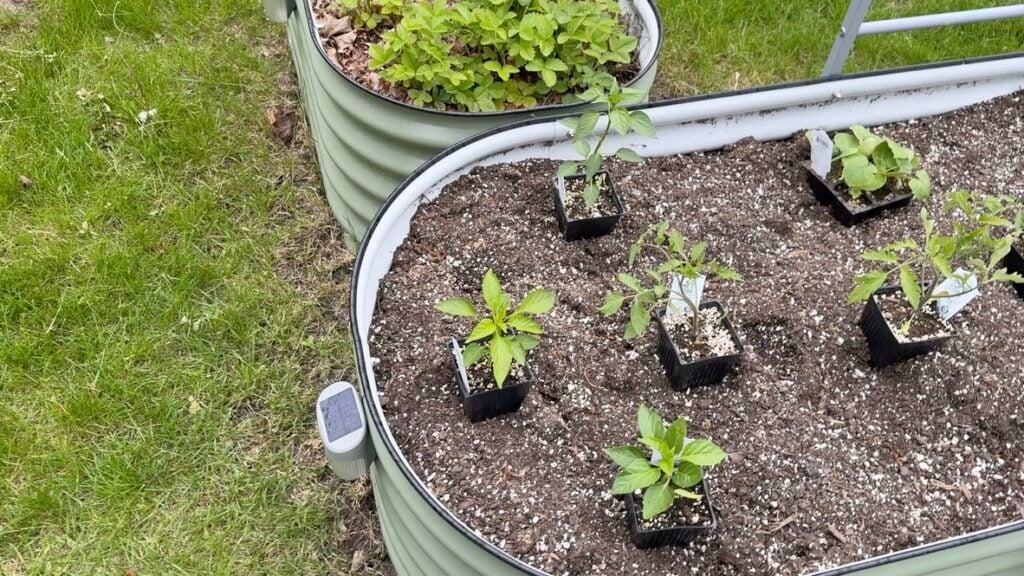
The Vego Classic Raised Garden Beds are the backbone of my setup. I’m running the 17″ tall beds, and they’ve held up through spring rains, heat, and general garden chaos.
Right now they’re holding:
- Tomatoes: Staggered this year with companion flowers coming in alongside them. The cage setup is already in place, which is a relief.
- Pole beans: (And some bush beans, it turns out.) I bought what I thought was one type and ended up with both. The pole beans started reaching immediately, so I built cages for support. I’ll pull the cages from the bush bean side once it’s clear which plants are which.
- Zucchini: Six plants across two pots, which is probably two too many. Squash packed tightly can invite powdery mildew, so I’m watching airflow carefully. They’ll need consistent feeding. Cages are in for some vertical support.
- Peppers: Planted close together so they can do their thing.
The metal construction means no rot, no warping, nothing leaching into the soil. Vego builds these to a 20-year life span!
The Elevated Bed: Shade, Accessibility, and Salads
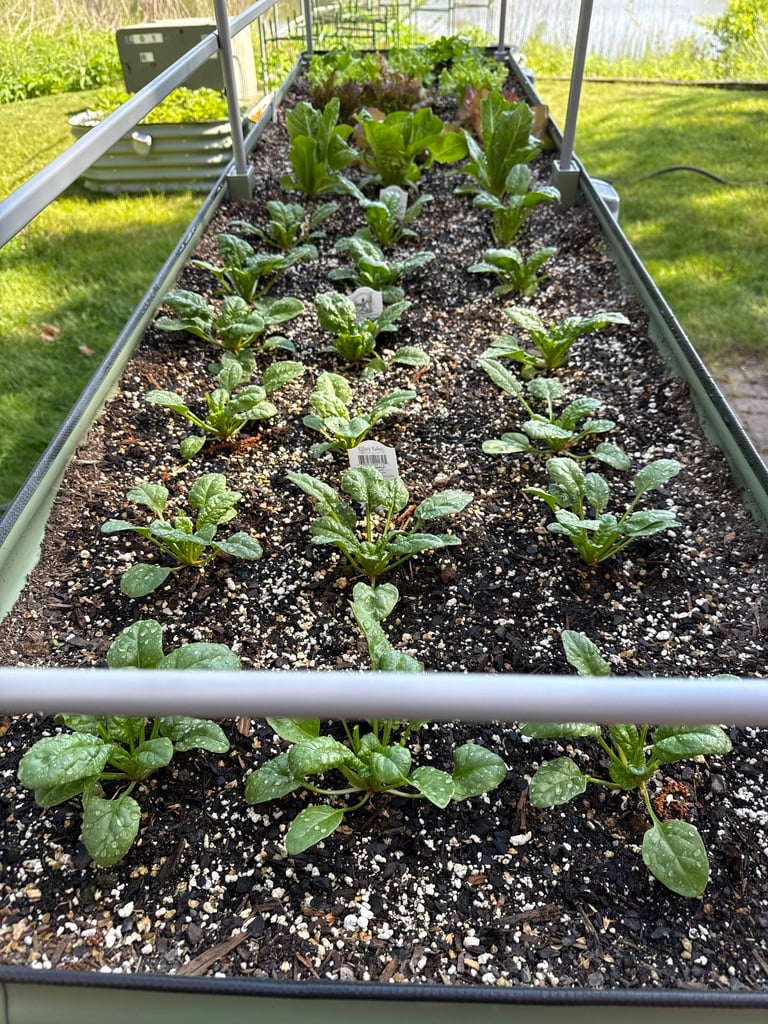
The Vego Elevated Garden Bed is where my salad greens live, and we had a beautiful salad from it just this week. PTL!
The elevated design means no bending, which matters more the longer you’ve been at this. It’s also sitting in a spot with good afternoon shade—exactly what lettuce and spinach want.
There’s also a practical temperature benefit: airflow under the bed keeps the root zone a bit cooler than in-ground beds. Small detail, meaningful difference for heat-sensitive crops.
The Solar Lights: More Useful Than I Expected
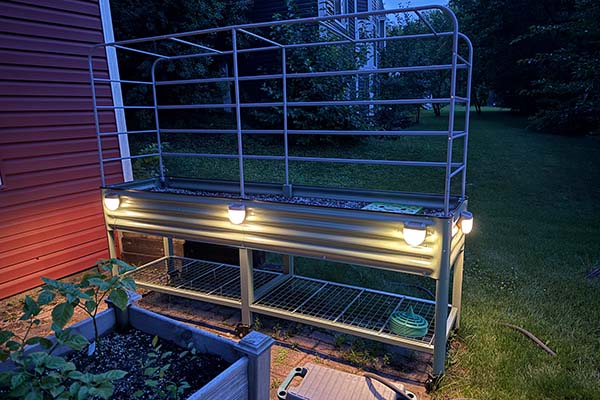
I added the Vego Garden Solar Lights mostly because the garden looks nice in the evening and I wanted to enjoy it after dinner.
What I didn’t expect: they’ve made me more productive. Being able to actually see at dusk means I’m checking on plants, harvesting herbs, and adjusting covers instead of calling it done the moment the sun drops.
No cords, no setup, and they’ve held up through rain without any fuss.
A Few Other Things Growing Right Now
Herbs: Mint, lemon balm, and stevia are sharing a GreenStalk (yes, probably overpacked—mint is notoriously aggressive). Sage is in with parsley, dill joined the onion pot, and I picked up a “Hot & Spicy Oregano” on impulse. We’ll see how that turns out!
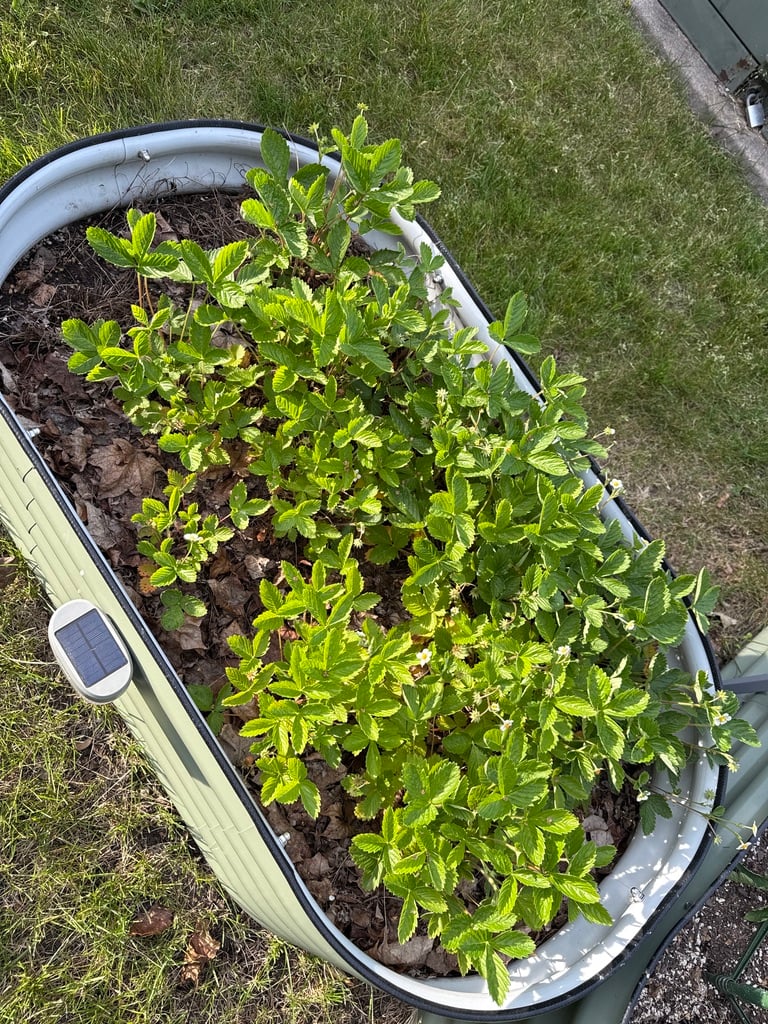
Strawberries: Six new plants in the second GreenStalk, split between June-bearing and everbearing varieties. The June-bearers will give one big flush; the everbearers should trickle fruit through the season.
Kale: Russian kale and new curly kale. The curly type is generally more productive. For either: harvest outer leaves first, leave the center crown growing, never take more than a third at a time.
Leeks: In a clay pot, not separated. That’s fine if you’re harvesting greens rather than developing thick white stems. Snip the tops as needed, and they’ll regrow.
The Setup, All Together
What I keep coming back to is how well everything works as a system. The raised beds give me growing room. The elevated bed gives me accessibility and a cooler microclimate.
The frost cloth protects against cold snaps. The solar lights let me actually be out there enjoying it.
And with plants from Azure Standard and the hard-won lessons from a full season behind me—companion planting, early cage setup, staggered tomatoes, close-planted peppers, DE for pillbugs—the whole thing is running better than it has before. Feeling blessed!