There is a different between “cold hardy” and “frost tolerant.” Depending on where you live, you will need to protect your crops during freezing temperatures.
Frost occurs when air temperatures are between 33 and 36 degrees. Generally speaking, frost-tolerant plants will survive just fine, but cold-hardy plants will need some sort of cover or insulation.
(By the way, your seed packet should tell you if the plant is cold hardy or frost tolerant.)
All plants, however, need protection during a hard freeze, which occurs when temperatures dip below 28 degrees Fahrenheit and stay there for 4 hours or more. Even then, some plant varieties may not survive.
You can use this information to determine what is feasible to grow for your local climate.
Options for Protection
Remember how we’re choosing to simplify with strategic choices? There are several options available in the world of gardening to protect your plants during extremely cold temperatures.
They range from cold frames to greenhouse plastic to low tunnels and more.
But we’re going to focus on two simple solutions.
Remember those insect-prevention/shade tunnels we built with rebar, tubing, and tulle? You can find that video in the lesson titled, Shading with Purpose, located in Module 2.
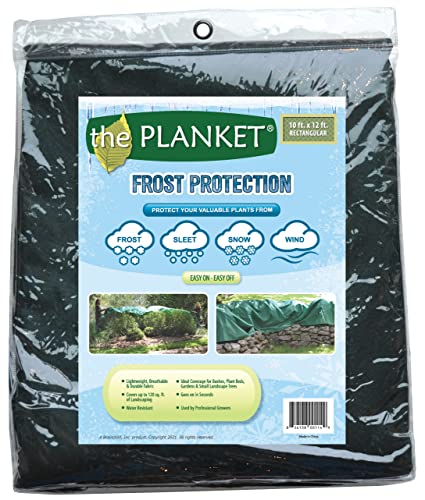
The insect cover or shade cloth can simply be swapped for row cover like the Planket:
Prices pulled from the Amazon Product Advertising API on:
Product prices and availability are accurate as of the date/time indicated and are subject to change. Any price and availability information displayed on [relevant Amazon Site(s), as applicable] at the time of purchase will apply to the purchase of this product.
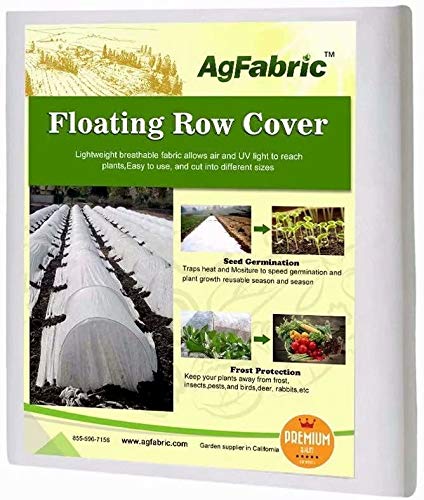
AgFabric is another great alternative that you can place on the same hoop-style structure:
Prices pulled from the Amazon Product Advertising API on:
Product prices and availability are accurate as of the date/time indicated and are subject to change. Any price and availability information displayed on [relevant Amazon Site(s), as applicable] at the time of purchase will apply to the purchase of this product.
Mulch is another protective option that works well in a situation when frost is expected, and you have little time to act.
Mulch saved my potatoes on multiple occasions. Though you have several options, I have the most experience with straw. You can buy bales of straw and cover your bed or row completely—about 4-6 inches deep—right before a frost hits:

Meet Tally—The Potato Guardian 😉
The next day, when temperatures rise, you can brush the straw aside, exposing each plant to sunlight, but still leaving them heavily mulched—just no longer covered. Then, if you anticipate frost again, it’s easy to recover the plants with straw.
With a little planning and protective options on hand, you can grow food well into November and December!