

As a general rule, store dehydrated foods in glass jars out of direct sunlight. Vacuum-sealed bags (like the kind used with a FoodSaver vacuum sealer) are also sufficient.
If you will use your dried goods within 6 months, you do not need to vacuum seal.
If you want to preserve a food’s nutritional value past 6 months, you should vacuum seal it or add an oxygen absorber to your jar or bag.
You can vacuum seal a Mason jar using a lid adapter kit. See the video tutorial below.

Prices pulled from the Amazon Product Advertising API on:
Product prices and availability are accurate as of the date/time indicated and are subject to change. Any price and availability information displayed on [relevant Amazon Site(s), as applicable] at the time of purchase will apply to the purchase of this product.
The kit consists of a white “cap” that is placed over the top of your jar with a tube that connects the cap to your vacuum sealer.
Note: This method only works if you have a vacuum sealer with the “Accessory” feature—OR a brake bleeder pump. (Again, see the video tutorial for clarity.)
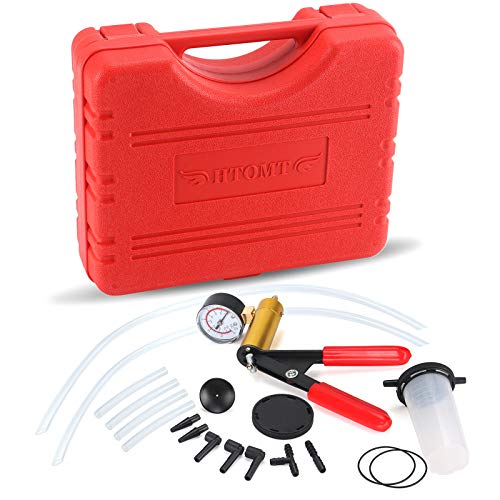
Prices pulled from the Amazon Product Advertising API on:
Product prices and availability are accurate as of the date/time indicated and are subject to change. Any price and availability information displayed on [relevant Amazon Site(s), as applicable] at the time of purchase will apply to the purchase of this product.
Dehydrated food doesn’t spoil in the way that fresh food does; it simply loses its nutritional value over time. In the absence of oxygen and moisture, dried food can have a shelf-life well over 10 years.
How to Vacuum Seal Your Dehydrated Foods for Long-Term Storage
How to Seal Powdered Goods
Sometimes, powdered foods don’t want to seal. Here’s what you can do to still get a solid seal: